
Clicca per espandere il sommario
Sommario
Approvare uno stampo personalizzato per WC solo dopo che la revisione design-for-manufacture, i disegni delle interfacce, l'ambito dello stampo, le iterazioni dei campioni, i criteri di accettazione misurabili e i termini di proprietà o riutilizzo sono stati messi per iscritto. Gli acquirenti dovrebbero prendere questa decisione prima di confrontare presentazioni curate o prezzi di listino. Iniziare con la conseguenza del fallimento: cosa succede se la revisione DFM è errata, l'ambito dello stampo cambia o la dimensione critica non può essere verificata? La risposta determina se l'acquirente necessita di un disegno, un campione approvato, una registrazione di prova, un elenco ufficiale o una condizione contrattuale nominata. L'articolo tratta lo sviluppo di stampi personalizzati per WC come un problema di acquisto specifico del modello. Non pubblica dichiarazioni fisse su MOQ, prezzo, prototipo, produzione, trasporto, garanzia, ispezione, capacità, cliente, classificazione o approvazione di mercato.
Termine di proprietà del rilascio: iniziare con un brief di progetto controllato
Per lo sviluppo di stampi personalizzati per WC, il primo controllo è definire cosa deve essere deciso e chi possiede la decisione. Scrivere il risultato atteso per la revisione DFM, identificare il documento che lo mostrerà e nominare i ruoli di acquirente e fornitore che possono approvare una deviazione. Questo impedisce che una risposta commerciale generica venga scambiata per un impegno specifico dell'ordine.
Esaminare insieme l'ambito dello stampo e la dimensione critica perché una modifica in uno può alterare l'altro. L'evidenza pertinente dovrebbe riportare il riferimento del modello o del progetto, la revisione, la data e lo stato di approvazione. Se l'evidenza si applica solo a una famiglia di prodotti, registrare il limite e richiedere la conferma che la configurazione selezionata rimanga all'interno di tale ambito.
Definire le evidenze per la revisione DFM
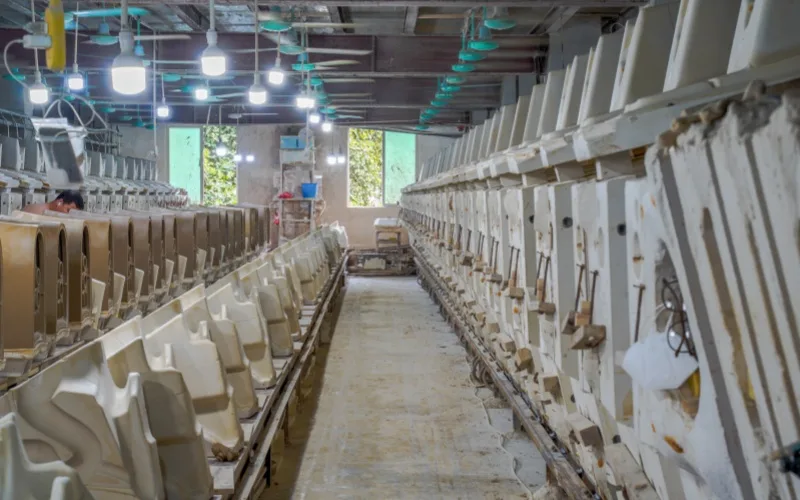
Registrare il risultato in un registro decisionale con cinque campi: requisito, evidenza esaminata, riscontro, azione aperta e approvatore. Per questo argomento, il registro dovrebbe nominare esplicitamente revisione DFM, ambito dello stampo e dimensione critica. Utilizzare fotografie o video solo quando la loro fonte, data, posizione, modello e autorizzazione sono tracciabili; altrimenti trattarli come illustrazioni piuttosto che come prova.
| Punto di controllo | Registrazione che chiude la lacuna | Condizione di rilascio |
| Revisione DFM | disegno, specifica o matrice controllata | Corrisponde al modello selezionato e alla destinazione? |
| Ambito dello stampo | registrazione di test o ispezione specifica del modello | Metodo, risultato, data e azione in caso di guasto sono visibili? |
| Dimensione critica | voce di directory ufficiale o documento corrente | Titolare, modello, stato e ambito si riconciliano? |
| Iterazione dei campioni | campione approvato e confronto firmato | La produzione può ripetere la baseline approvata? |
| Standard di accettazione | registrazione di imballaggio, carico o servizio | Il rischio è controllato attraverso la consegna e l'uso? |
| Termine di proprietà | matrice delle responsabilità e registro delle modifiche | Chi può approvare, rifiutare o rilasciare una modifica? |
Riconciliare la revisione DFM: mappare le fasi di sviluppo e i responsabili
Trattare l'ambito dello stampo come un'interfaccia misurabile piuttosto che come una caratteristica descrittiva. Registrare il datum, l'intervallo, il materiale, la condizione di prova o la regola decisionale che l'ordine utilizzerà. Questo è particolarmente importante quando lo sviluppo di stampi personalizzati per WC copre più modelli o mercati di destinazione.
Chiedere al fornitore di dimostrare come viene controllata la dimensione critica quando l'iterazione dei campioni cambia. Una risposta valida spiega il trigger della modifica, il responsabile della revisione, il requisito di campione o prova, la revisione del documento e l'autorità di rilascio. Un'assicurazione non supportata che la fabbrica ‘lo fa sempre’ non equivale a una registrazione controllata.
Collegare la dimensione critica al modello selezionato
Registrare il risultato in un registro decisionale con cinque campi: requisito, prove esaminate, riscontro, azione aperta e approvatore. Per questo argomento, il registro deve indicare esplicitamente ambito dello stampo, dimensione critica e iterazione del campione. Utilizzare fotografie o video solo quando origine, data, luogo, modello e autorizzazione sono tracciabili; in caso contrario, trattarli come illustrazioni anziché come prova.
Documentare l'ambito dello stampo: congelare le interfacce prima di approvare l'aspetto
Le prove per la dimensione critica devono essere proporzionali al rischio. Un dettaglio visivo a basso rischio può richiedere un riferimento approvato, mentre un'interfaccia di sicurezza, conformità, idraulica, strutturale o di installazione può richiedere un disegno, un test formale o un elenco ufficiale. L'acquirente deve definire tale distinzione prima dell'arrivo del campione.
Non esaminare l'iterazione del campione isolatamente dallo standard di accettazione. Confrontare il requisito approvato con il campione, il controllo di produzione e il registro di spedizione. Quando tali livelli non concordano, sospendere il rilascio, identificare la versione di controllo e documentare la correzione anziché accettare una spiegazione verbale.
Stabilire una regola di approvazione per lo standard di accettazione
Registrare il risultato in un registro decisionale con cinque campi: requisito, prove esaminate, riscontro, azione aperta e approvatore. Per questo argomento, il registro deve indicare esplicitamente dimensione critica, iterazione del campione e standard di accettazione. Utilizzare fotografie o video solo quando origine, data, luogo, modello e autorizzazione sono tracciabili; in caso contrario, trattarli come illustrazioni anziché come prova.
Proteggere la dimensione critica: utilizzare i campioni come gate di approvazione misurabili
Un esame utile dell'iterazione del campione pone tre domande: cosa può fallire, come lo rileverà il fornitore e quali prove impediscono il ripetersi? Applicare le risposte alla configurazione esatta dello sviluppo dello stampo per water personalizzato invece di estrapolare da un'unità da showroom.
Per lo standard di accettazione, richiedere sia il controllo normale sia un recente percorso di guasto oscurato. Il percorso di guasto deve mostrare contenimento, disposizione, responsabilità e chiusura. Tale registro è spesso più informativo di un esempio perfetto perché mostra se il termine di proprietà è gestito sotto una reale pressione produttiva.
Esamina i guasti, non solo le registrazioni normali
Registrare il risultato in un registro decisionale con cinque campi: requisito, prove esaminate, riscontro, azione aperta e approvatore. Per questo argomento, il registro deve indicare esplicitamente iterazione del campione, standard di accettazione e termine di proprietà. Utilizzare fotografie o video solo quando origine, data, luogo, modello e autorizzazione sono tracciabili; in caso contrario, trattarli come illustrazioni anziché come prova.
Tracciare l'iterazione dei campioni: rilasciare la produzione con registrazioni e controllo delle modifiche
Convertire lo standard di accettazione in un gate con uno stato chiaro: verificato, accettato con riserva, aperto o rifiutato. Un'accettazione con riserva deve indicare la prova mancante, il responsabile, la data di scadenza e la conseguenza se non viene chiusa.
Collegare il termine di proprietà al fascicolo di acquisto e la revisione DFM alla checklist di rilascio. Ciò rende la decisione verificabile e fornisce ai team di produzione, ispezione, logistica e assistenza la stessa base di riferimento. Riduce inoltre la possibilità che un campione approvato venga silenziosamente sostituito da una configurazione diversa.
Usa un cancello invece di un punteggio vago
Registrare il risultato in un registro decisionale con cinque campi: requisito, prove esaminate, riscontro, azione aperta e approvatore. Per questo argomento, il registro deve indicare esplicitamente standard di accettazione, termine di proprietà e revisione DFM. Utilizzare fotografie o video solo quando origine, data, luogo, modello e autorizzazione sono tracciabili; in caso contrario, trattarli come illustrazioni anziché come prova.
Convalidare lo standard di accettazione: proteggere gli ordini ripetuti da variazioni silenziose
Il piano finale dovrebbe tradurre il termine di proprietà in un allegato contrattuale, una specifica approvata, un punto di ispezione o una fase di verifica ufficiale. Mantenere la formulazione sufficientemente ristretta da poter essere verificata per il modello di sviluppo dello stampo per WC personalizzato selezionato.
Prima dell'approvazione, riconciliare la revisione DFM con l'ambito dello stampo ed elencare eventuali ipotesi non risolte. Una proposta commercialmente interessante potrebbe comunque richiedere un blocco se un'interfaccia critica, un requisito di conformità, un risultato del campione o una responsabilità rimangono poco chiari. L'approvazione è più solida quando la registrazione spiega sia perché l'elemento è stato superato sia quali condizioni si applicano ancora.
Chiudi la decisione con proprietari nominati
Registrare il risultato in un registro decisionale con cinque campi: requisito, prove esaminate, esito, azione aperta e approvatore. Per questo argomento, il registro dovrebbe indicare esplicitamente termine di proprietà, revisione DFM e ambito dello stampo. Utilizzare fotografie o video solo quando la loro fonte, data, luogo, modello e autorizzazione sono tracciabili; in caso contrario, trattarli come illustrazioni anziché come prova.
Riconciliare le registrazioni prima della decisione di rilascio
Per lo sviluppo dello stampo per WC personalizzato, il pacchetto di prove dovrebbe essere sufficientemente compatto da essere utilizzabile e sufficientemente completo da difendere la decisione. Come minimo, indicizzare il requisito approvato per la revisione DFM, la registrazione di supporto per l'ambito dello stampo, il collegamento al modello o al progetto per la dimensione critica e la decisione di rilascio per il termine di proprietà.
Utilizzare nomi di file e numeri di revisione che rimangano stabili quando gli allegati e-mail vengono scaricati. Mantenere i documenti originali separati dai riepiloghi dell'acquirente e registrare la data in cui è stata verificata una directory ufficiale. Se un documento è in sospeso, dichiararlo esplicitamente; non convertire un test pianificato, una domanda o una dichiarazione del fornitore in un fatto completato.
Mantieni separate le prove interne e la formulazione pubblica
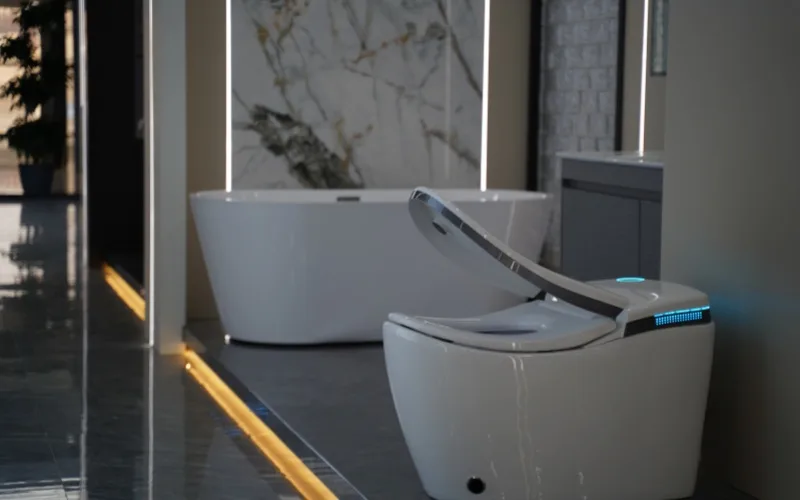
Le registrazioni delle prove editoriali possono elencare riferimenti alle fonti, elementi aperti e dichiarazioni limitate. La formulazione rivolta al lettore dovrebbe indicare solo ciò che le prove esaminate supportano. Per VONDDW, ciò significa evitare dichiarazioni non supportate su data di costituzione, numero di paesi di esportazione, capacità, numero di dipendenti, superficie, ispezioni universali, certificazioni universali, MOQ fisso, tempi di prototipazione, tempi di consegna, risparmi di trasporto, esito della garanzia, tempi di risposta, clienti, classifiche o uffici all'estero.
- Esaminare la pagina pertinente del prodotto o del servizio come punto di partenza, quindi richiedere prove specifiche dell'ordine.
- Esaminare la panoramica del controllo qualità come punto di partenza, quindi richiedere prove specifiche dell'ordine.
- Esaminare la pagina dei contatti come punto di partenza, quindi richiedere prove specifiche dell'ordine.
Domande frequenti
Qual è la lacuna di evidenza più comune nello sviluppo di stampi personalizzati per WC?
Il divario spesso non è un documento mancante ma un collegamento mancante tra il documento e il modello esatto. Riconciliare la revisione DFM, l'ambito dello stampo e la destinazione prima di accettare un certificato, un test o una registrazione del campione.
Quanta evidenza è sufficiente per la dimensione critica?
Utilizzare prove proporzionali alla conseguenza del guasto. Un punto estetico visibile può utilizzare un riferimento approvato; un punto idraulico, elettrico, strutturale, di installazione o di conformità richiede di solito un metodo e un risultato controllati.
Un elemento aperto dovrebbe sempre fermare l'ordine?
No. Classificarlo come verificato, condizionato, aperto o respinto. Lacune critiche di identità, sicurezza, conformità, adattamento o difetti nascosti dovrebbero sospendere l'approvazione; gli elementi a rischio inferiore possono procedere solo con una condizione scritta autorizzata.
Come dovrebbe l'acquirente chiudere il termine di proprietà?
Indicare il requisito, le prove esaminate, il risultato, la condizione residua, il responsabile e la data di approvazione. Una chiusura tracciabile è più utile di una dichiarazione generica che il fornitore è stato controllato.
Un controllo incrociato finale dovrebbe confrontare il preventivo, il campione approvato e il rilascio di produzione per la revisione DFM e l'ambito dello stampo. Se la terminologia differisce, creare una riconciliazione di una pagina invece di presumere che i documenti significhino la stessa cosa.
I team di approvvigionamento dovrebbero anche decidere come verranno conservate le prove per le dimensioni critiche dopo la spedizione. Una registrazione ricercabile aiuta i team di assistenza a identificare se un problema successivo è isolato, correlato all'installazione, correlato al componente o ripetuto in un lotto.
Quando vengono proposte alternative, valutarle rispetto allo stesso requisito per l'iterazione del campione. Un'opzione a costo inferiore o più veloce non è equivalente a meno che le sue interfacce, prove e responsabilità rimangano accettabili per la destinazione e il caso d'uso.
Non chiudere il fascicolo all'approvazione del campione. Riconfermare lo standard di accettazione al rilascio di produzione e il termine di proprietà prima della spedizione, in modo che le modifiche introdotte da approvvigionamento, pianificazione, etichettatura o imballaggio non aggirino la decisione originale.
Convertire il quadro in controlli di acquisto
Approvare uno stampo per WC personalizzato solo dopo che la revisione di progettazione per la produzione, i disegni delle interfacce, l'ambito dello stampo, le iterazioni del campione, i criteri di accettazione misurabili e i termini di proprietà o riutilizzo sono stati messi per iscritto. Una chiusura utile registra sia ciò che è stato superato sia quali condizioni si applicano ancora all'ordine.
Prima del rilascio, confermare che la revisione DFM, l'ambito dello stampo e il termine di proprietà abbiano uno stato chiaro e che ogni elemento aperto abbia una conseguenza. Se desideri che VONDDW esamini un progetto, condividi il mercato di destinazione, il tipo di prodotto, il brief del modello o delle prestazioni, i disegni o l'ingombro, le funzioni richieste, l'intervallo di quantità previsto, il programma obiettivo, le esigenze di imballaggio e le prove necessarie insieme al preventivo. La risposta deve essere trattata come un punto di partenza specifico del progetto e verificata prima dell'approvazione dell'ordine.